
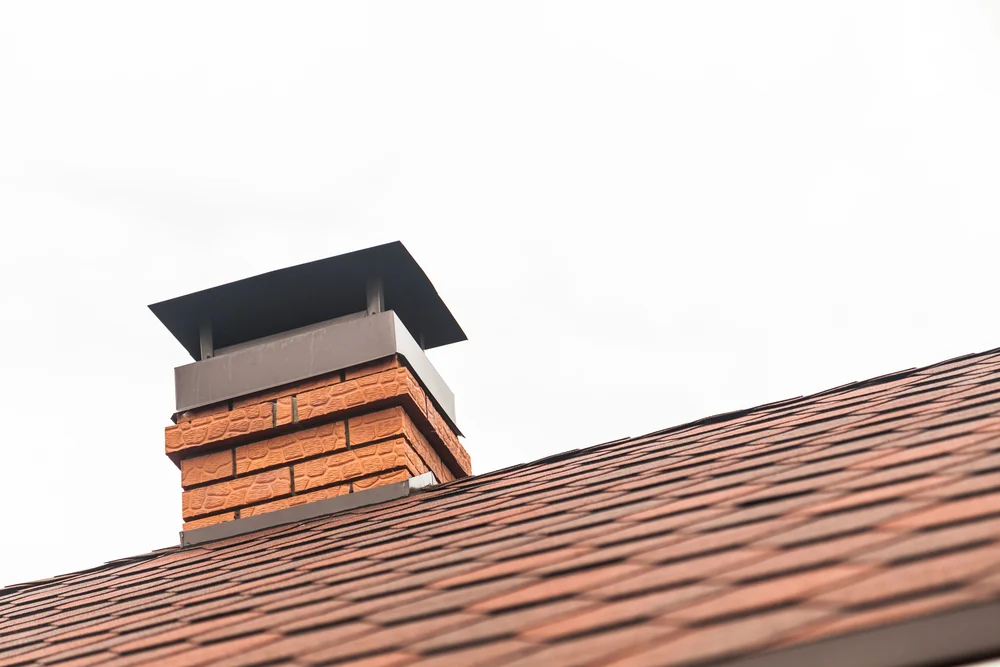
Chimney Repair vs Rebuild — How to Know Which You Need
Your chimney is one of the most exposed parts of your home, constantly battling wind, rain, and freeze-thaw cycles. Over time, wear and tear are inevitable. When you spot damage, the big question is: Do I need a simple repair, or is it time for a full rebuild?
The difference between these two options is massive, both in terms of cost and labour. Choosing the right course of action is critical for both the safety and long-term structural integrity of your home.
When to Choose a Chimney Repair
A repair is the right choice when the damage is localised, superficial, or involves a single, easily replaceable component. Think of repairs as targeted fixes designed to stop small problems from becoming big, expensive ones.
Key Signs that a Repair Will Suffice:
Deteriorating Mortar Joints (Repointing): The mortar (the cement-like material between the bricks) is crumbling, cracked, or flaking away. If the bricks themselves are still solid and the overall structure is straight, a process called repointing (or tuckpointing) is usually all that’s needed. This involves removing the old mortar and replacing it with new.
Cracked Chimney Crown: The crown is the slab of concrete or stone at the very top of the chimney that directs water away from the flue opening. Small cracks can often be patched, sealed, or the entire crown resurfaced to prevent water ingress.
Minor Flashing Leaks: Flashing is the metal barrier that creates a watertight seal where the chimney meets the roof. If this has separated, lifted, or developed a small puncture, a roofing expert can typically re-seal or replace the flashing section.
Individual Damaged Bricks (Spalling): If only a few bricks have been damaged by water (known as spalling, where the face of the brick flakes off), a mason can remove and replace just those bricks.
Damaged Chimney Pot or Cap: A missing cap or cracked chimney pot is an easy fix that prevents rain, debris, and birds from entering the flue.
In essence, if the chimney is still standing straight and the damage is confined to a component or a small area, a professional repair is the most cost-effective solution.
When a Chimney Rebuild is Necessary
A rebuild is required when the damage is extensive, affects the core structural integrity, or poses a safety risk. This often means tearing down and reconstructing the chimney stack from the roofline up (a partial rebuild) or sometimes from the foundation (a full rebuild).
Major Red Flags Signalling a Rebuild:
| Sign of Damage | Description | The Risk |
| Severe Leaning or Bowing | The chimney is visibly leaning, curving, or separating from the house structure. | Imminent collapse. The structural integrity is compromised, making it dangerous in high winds. |
| Widespread Spalling/Decay | Bricks are cracked and flaking on multiple sides, or the mortar is crumbling throughout the majority of the stack. | The remaining masonry is too weak to support the structure, and simple spot-repairs will not hold. |
| Extensive Water Damage | Water has been allowed to penetrate the interior for years, leading to rust on the firebox/damper, or saturated, weak internal masonry. | Internal damage to the smoke chamber or flue liner often requires a rebuild to safely install a new liner and meet modern fire codes. |
| Beyond the 30% Rule | Professionals often use a rule of thumb: if the damage affects more than 30% of the structure, a full or partial rebuild usually offers better long-term value than repeated, extensive repairs. | The cost of constant repairs will quickly approach the cost of a full, permanent rebuild. |
| Flue Liner Failure | A video inspection reveals a severely cracked, deteriorated, or missing flue liner that cannot be relined internally. | Significant fire risk, as heat and hot gases could escape into combustible materials inside the building structure. |
A rebuild is an investment in safety and longevity. It replaces a compromised structure with a brand-new, code-compliant stack that should last for decades.
The Financial Calculation
The final decision often comes down to cost-effectiveness and long-term value.
| Type of Work | Typical UK Cost Estimate (approx.) | Longevity |
| Minor Repairs (Cap, Flashing Patch) | £150 – £500 | 5–10 years (component lifespan) |
| Repointing (Full Stack) | £500 – £2,000 | 20–30 years (if done well) |
| Partial Rebuild (Roofline Up) | £2,000 – £5,000 | 50+ years |
| Full Rebuild (From Foundation) | £5,000 – £10,000+ | 75+ years |
Note: These are estimates and depend heavily on the chimney’s size, accessibility (scaffolding is a major cost factor!), your location in the UK, and the complexity of the materials.
The Golden Rule: If the cost of the necessary repairs is approaching 40-50% of the cost of a rebuild, the rebuild is almost always the superior investment. You get a new, warrantied structure instead of pouring money into a failing one.
Your Next Step: Get a Professional Inspection
Trying to diagnose chimney damage from the ground is difficult, and climbing onto the roof is dangerous. The only way to know for sure what your chimney truly needs is to get a professional, licensed chimney specialist or builder to carry out a full inspection.
They will assess:
The Masonry: Checking for spalling, crack patterns, and mortar integrity.
The Flashing: Looking for leaks or separation points at the roof junction.
The Crown: Assessing the condition of the top slab.
The Flue Liner: Using a camera to inspect the internal flue for cracks or damage that could pose a fire risk.
Don’t wait until you see a leak in the ceiling or a leaning stack. Proactive inspection and maintenance are the keys to avoiding a full rebuild.
Need an Expert Opinion on Your Chimney?
Whether you require meticulous repointing or a full structural rebuild, get in touch with the trusted professionals at PETER SOUTHAM & SON. They offer expert chimney inspection and masonry services to ensure your home remains safe and structurally sound.
Address: 20 St Michaels Close, Fringford, Bicester, Oxfordshire, OX27 8DW
Office Phone: 01869 278 333
Mobile Phone: 07721 633 220
Email: info@petersoutham.co.uk
Website: https://petersoutham.co.uk/