Is Moss on Your Roof Dangerous? Hidden Damage Explained
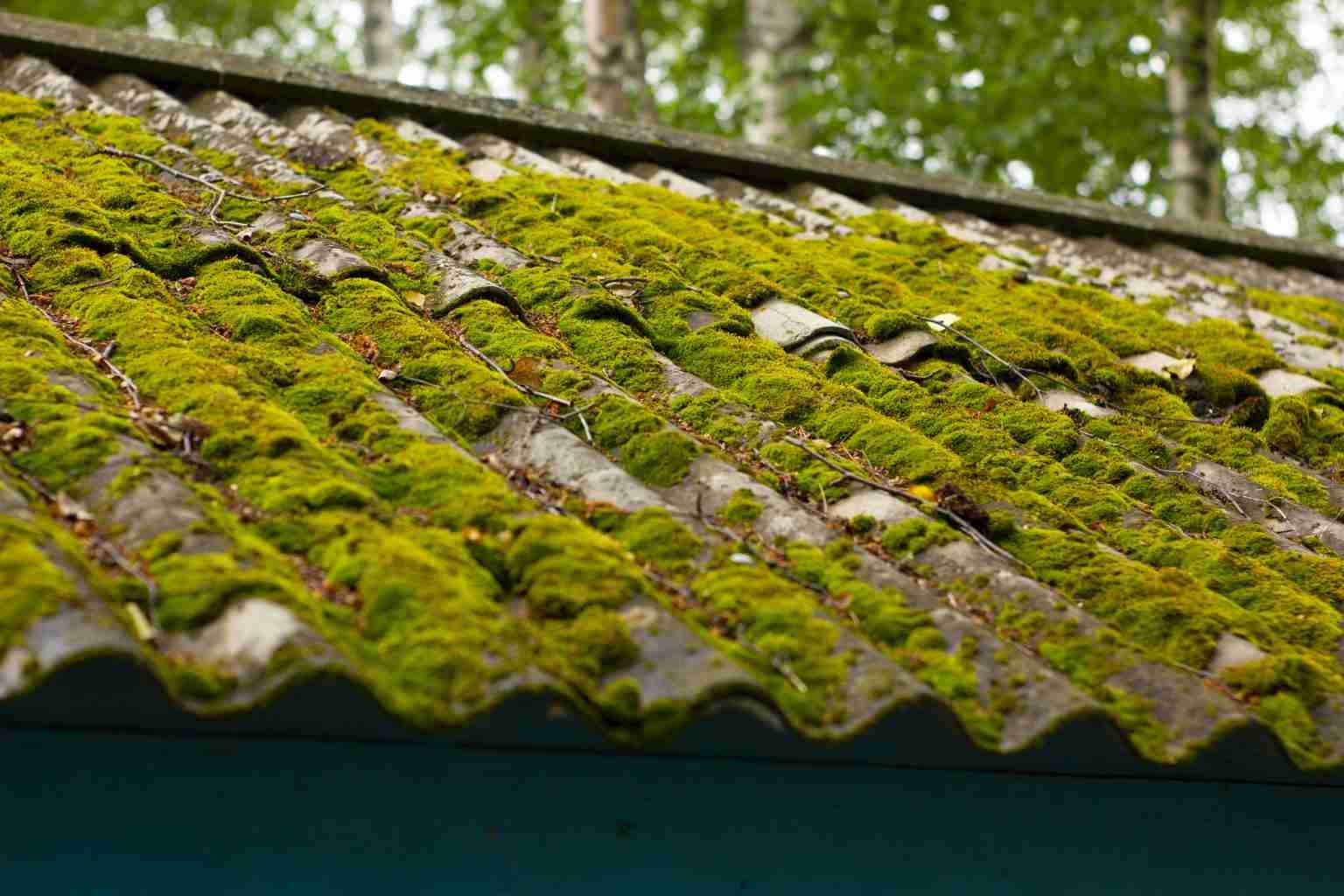
Moss might look like a harmless, fuzzy green blanket, but when it starts growing on your roof tiles, it’s a silent threat to your home’s structural integrity. While a few patches might seem merely cosmetic, unchecked moss growth can lead to serious, expensive damage.
So, is moss on your roof dangerous? The short answer is yes. Here is a breakdown of the hidden damage moss causes and why professional removal is essential.
The Root Problem: Water Retention
The primary danger of moss is its incredible ability to retain water. Moss acts like a sponge, absorbing and holding moisture against your roof surface for long periods. This constant dampness leads to three major issues:
1. Tile Erosion and Cracking
Roof tiles, whether concrete or clay, are designed to shed water quickly. When moss is present, the surface of the tile stays perpetually wet.
Surface Decay: The acidity and moisture held by the moss slowly erode the protective outer layer of the tile, making it brittle.
Freeze-Thaw Cycle: This is the most destructive mechanism, especially in the UK’s climate. When water held by the moss freezes, it expands by about 9%. This expansion forces itself into tiny cracks and pores within the tile, making the crack bigger. When it thaws, the crack widens further. Repeated cycles eventually cause the tiles to crack, lift, or break (spalling).
A single cracked tile might seem minor, but it creates a direct pathway for water to penetrate the felt, timber structure, and insulation below.
2. Lifted Tiles and Wind Damage
As moss and other organic growth (like lichen) grow, they push their small rhizoids (root-like structures) underneath the edge of the roof tiles. This mechanical action can cause the edges of the tiles to lift slightly.
Compromised Overlap: Even a slight lift compromises the watertight overlap between tiles, allowing rainwater to track sideways or upwards underneath the roof covering.
Vulnerability to Wind: A lifted tile is highly vulnerable to wind uplift. A strong gust can easily catch the edge and tear the tile off completely, leading to immediate, large-scale leaks and structural exposure.
Structural and Internal Damage
The damage doesn’t stop at the tiles. Once water breaches the primary barrier, it attacks the rest of your roof system.
3. Blocked Guttering and Fascia Damage
Moss that washes off the roof during rain doesn’t disappear; it washes straight into your gutters.
Clogs: Moss quickly combines with dirt and debris to create thick, impenetrable clogs.
Overflow: Clogged gutters cannot drain, causing rainwater to back up and overflow. This water then runs down the face of your house, saturating the fascia boards and the exterior walls.
Rot: Constant soaking causes the timber fascia boards to rot and the mortar joints in the brickwork to weaken, leading to costly repair work far from the original moss location.
4. Damp and Insulation Degradation
If the water manages to get past the roof felt (the secondary barrier), it creates severe issues in the loft space:
Timber Rot: Persistent moisture encourages the growth of wet rot and dry rot in the timber rafters and trusses, compromising the structural integrity of the roof frame.
Insulation Failure: When loft insulation gets wet, its thermal performance drops dramatically. This means you lose heat quickly, leading to much higher energy bills and an increased risk of condensation and mould forming inside your home.
Prevention and Professional Removal
Trying to remove moss yourself with a pressure washer is strongly advised against. High-pressure water can damage the surface of the tiles, forcing water into the roof structure, and potentially knocking tiles loose.
The correct process for effective moss control involves:
Manual Removal: Carefully scraping or brushing the moss off the roof tiles.
Chemical Treatment: Applying a professional-grade biocide or moss killer. This solution penetrates the remaining moss and root structures, killing them off over a period of weeks or months. It also prevents immediate regrowth.
Regular Maintenance: Scheduling periodic check-ups to apply further preventative treatments.
In summary, moss on your roof is dangerous because it retains moisture, which leads to tile cracking, lifting, wind damage, blocked gutters, and internal timber and insulation failure. Regular maintenance is the key to preventing a small patch of greenery from turning into a four-figure repair bill.
Need Professional Roof Cleaning or Repair?
If you suspect moss has damaged your roof, or if you require an expert cleaning and preventative treatment, contact the trusted roof specialists at PETER SOUTHAM & SON. They provide professional inspections and safe, effective moss removal and roof repair services to protect your investment.
Address: 20 St Michaels Close, Fringford, Bicester, Oxfordshire, OX27 8DW
Office Phone: 01869 278 333
Mobile Phone: 07721 633 220
Email: info@petersoutham.co.uk